

Vic Boothey was born at Blackwood in 1882, but his family must have moved to Mount Gambier before the turn of the century. In February 1905, the Advertiser reported that Vic was riding his bicycle from Kalangadoo to Mount Gambier when he was overtaken by a bushfire in a stringybark forest. Surrounded by fire and nearly suffocated by smoke he just managed to escape. Three months later Vic was again the subject of an article in the Advertiser when he almost severed his ear in a bicycle accident. Apparently he was a keen cyclist who competed in road races in the south-east.
Vic was living at Kingscote, Kangaroo Island and working as a motor mechanic when he travelled to Adelaide to enlist in January 1916 at the age of 32. He played for the Kingscote Football Club. His next of kin was his sister Beatrice, who lived in Mount Gambier.
After spending most of 1916 undergoing signals training and being transferred from one set of reinforcements to another, Vic was eventually allocated to the 6th reinforcements to the 43rd Battalion and embarked at Adelaide on the 'Berrima' in December 1916. After disembarking at Devonport, Vic spent time training in England before shipping out to France in late September and joining the 43rd Battalion at the 'Toronto' camp near the Ypres salient in Belgium on 8 October 1917.
The day after he joined the battalion it marched to the front line and entered the support trenches in the rear of the 44th Battalion. Over the next few days the 43rd Battalion was shelled heavily, including with gas shells, and on 12 October 1917 Vic was evacuated with gas-related wounds. He rejoined his unit on 22 November, and in late January went to hospital sick. He attended a two week training course in late February 1918, and not long after he returned to the Battalion it was rushed south to the Somme to help stop the German spring offensive. After a short rest, on 24 May 1917 the 43rd Battalion re-entered the frontline near La Bizet, and two days later Vic was gassed for the second time. He quickly recuperated, rejoining the Battalion on 8 June 1918 when it was in reserve near Villers Bretonneux.
After stints in the reserve and support trenches the unit was withdrawn for training alongside tanks, and on 4 July 1918 participated in the highly successful Battle of Hamel. During the training for and conduct of this attack a company of American troops were attached to the 43rd Battalion. During the battle the unit advanced 1700 yards, and captured over 300 prisoners and 20 enemy machineguns. On 8 August 1918 the unit participated in the hugely successful Battle of Amiens, and during the remainder of August helped drive the Germans back to the Hindenburg line.
Vic was granted leave in the UK between 29 August and 16 September, and after he returned the Battalion was committed to the capture of the Hindenburg Line on 30 September 1918. This was the last action of the 43rd Battalion in the war.
After the fighting ended on 11 November, the battalion wintered in the Picardy region of northern France, and in 1919 began returning to Australia in drafts for demobilisation and discharge. Vic was transferred to the 5th Australian Mechanical Transport Company from 12 March to 3 July 1919, before embarking on the 'Persic' in July and disembarking in Adelaide on 27 August 1919. He was discharged on 4 October 1919 and it is believed that he returned to Kangaroo Island.
His name is inscribed on the Kangaroo Island Council and Dudley District (Penneshaw) honour boards on Kangaroo Island. He died on 23 June 1950 at the age of 67 and was buried at Centennial Park.
Vic was living at Kingscote, Kangaroo Island and working as a motor mechanic when he travelled to Adelaide to enlist in January 1916 at the age of 32. He played for the Kingscote Football Club. His next of kin was his sister Beatrice, who lived in Mount Gambier.
After spending most of 1916 undergoing signals training and being transferred from one set of reinforcements to another, Vic was eventually allocated to the 6th reinforcements to the 43rd Battalion and embarked at Adelaide on the 'Berrima' in December 1916. After disembarking at Devonport, Vic spent time training in England before shipping out to France in late September and joining the 43rd Battalion at the 'Toronto' camp near the Ypres salient in Belgium on 8 October 1917.
The day after he joined the battalion it marched to the front line and entered the support trenches in the rear of the 44th Battalion. Over the next few days the 43rd Battalion was shelled heavily, including with gas shells, and on 12 October 1917 Vic was evacuated with gas-related wounds. He rejoined his unit on 22 November, and in late January went to hospital sick. He attended a two week training course in late February 1918, and not long after he returned to the Battalion it was rushed south to the Somme to help stop the German spring offensive. After a short rest, on 24 May 1917 the 43rd Battalion re-entered the frontline near La Bizet, and two days later Vic was gassed for the second time. He quickly recuperated, rejoining the Battalion on 8 June 1918 when it was in reserve near Villers Bretonneux.
After stints in the reserve and support trenches the unit was withdrawn for training alongside tanks, and on 4 July 1918 participated in the highly successful Battle of Hamel. During the training for and conduct of this attack a company of American troops were attached to the 43rd Battalion. During the battle the unit advanced 1700 yards, and captured over 300 prisoners and 20 enemy machineguns. On 8 August 1918 the unit participated in the hugely successful Battle of Amiens, and during the remainder of August helped drive the Germans back to the Hindenburg line.
Vic was granted leave in the UK between 29 August and 16 September, and after he returned the Battalion was committed to the capture of the Hindenburg Line on 30 September 1918. This was the last action of the 43rd Battalion in the war.
After the fighting ended on 11 November, the battalion wintered in the Picardy region of northern France, and in 1919 began returning to Australia in drafts for demobilisation and discharge. Vic was transferred to the 5th Australian Mechanical Transport Company from 12 March to 3 July 1919, before embarking on the 'Persic' in July and disembarking in Adelaide on 27 August 1919. He was discharged on 4 October 1919 and it is believed that he returned to Kangaroo Island.
His name is inscribed on the Kangaroo Island Council and Dudley District (Penneshaw) honour boards on Kangaroo Island. He died on 23 June 1950 at the age of 67 and was buried at Centennial Park.


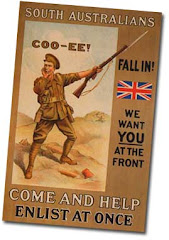


.jpg)


